Traveling to Morocco is not merely a change of geography — it is a full immersion into one of the world’s most ancient, layered, and generous civilizations. Here is how to prepare, what to expect, and why the kingdom will stay with you long after you return home.
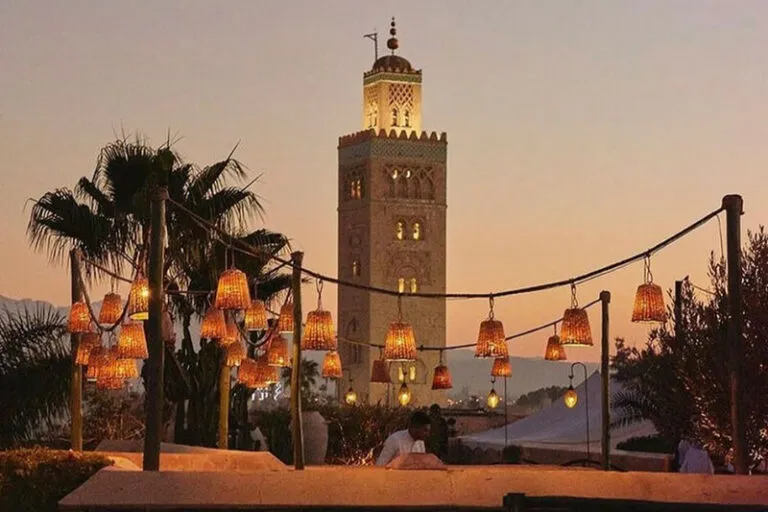
There is a moment that almost every traveler experiences when first arriving in Morocco — a brief, exhilarating disorientation, as though the world has suddenly rearranged its rules. The air carries cumin and charcoal smoke and something floral and unidentifiable. The streets narrow without warning. A muezzin calls from somewhere overhead. A cart loaded with fresh-baked bread rounds a corner pulled by a mule. In an era when so much of the world has been smoothed into sameness, traveling to Morocco delivers the rare and irreplaceable sensation of genuine difference.
Morocco sits at the confluence of Africa, the Arab world, and the Mediterranean — a kingdom shaped by Amazigh, Phoenician, Roman, Arab, Andalusian, and French influences, each layer still visible in its architecture, its food, its language, and its people. Traveling to Morocco means entering this layered world as a guest, and the country — famous across the globe for its culture of hospitality — receives its guests with extraordinary grace.
When to Travel to Morocco
The timing of your visit will shape your experience considerably. Morocco is a country of dramatic climatic variation: the Mediterranean coast enjoys mild, wet winters and warm dry summers; the Saharan south endures extreme heat from June through August; and the High Atlas Mountains receive heavy snowfall from December through March. For most travelers, spring and autumn represent the golden windows.
SPRING
Mar – May: wildflowers, mild temperatures, perfect for all regions
AUTUMN
Sept – Nov: cooler desert, harvest season, quieter medinas
WINTER
Dec – Feb: ideal for the south and coast, snow in the Atlas
SUMMER
Jun – Aug: hot inland, but Atlantic coast is breezy and beautiful
Ramadan, which shifts annually through the lunar calendar, brings a profound transformation to Moroccan life. Daytime activity slows, many restaurants close during fasting hours, and the nights come alive with communal celebration. Traveling to Morocco during Ramadan is not inconvenient — it is an entirely different and deeply moving experience of the country, one that most tourists never witness.
“Traveling to Morocco during its quiet seasons — early spring, late autumn — reveals a country that belongs entirely to itself, unhurried and unselfconscious, moving at the rhythm of its own ancient clock.”
The Regions: Choosing Your Morocco
One of the great decisions facing any traveler to Morocco is which part of the country to prioritize. Morocco’s regions are so distinct in character that choosing between them feels almost like choosing between countries.
Imperial Cities
Fez, Marrakech, Meknès, Rabat — medieval medinas, palaces, souks, and centuries of dynastic history.
High Atlas
Jebel Toubkal, Berber villages, terraced valleys, and the Tizi n’Tichka pass — North Africa’s rooftop.
The Sahara South
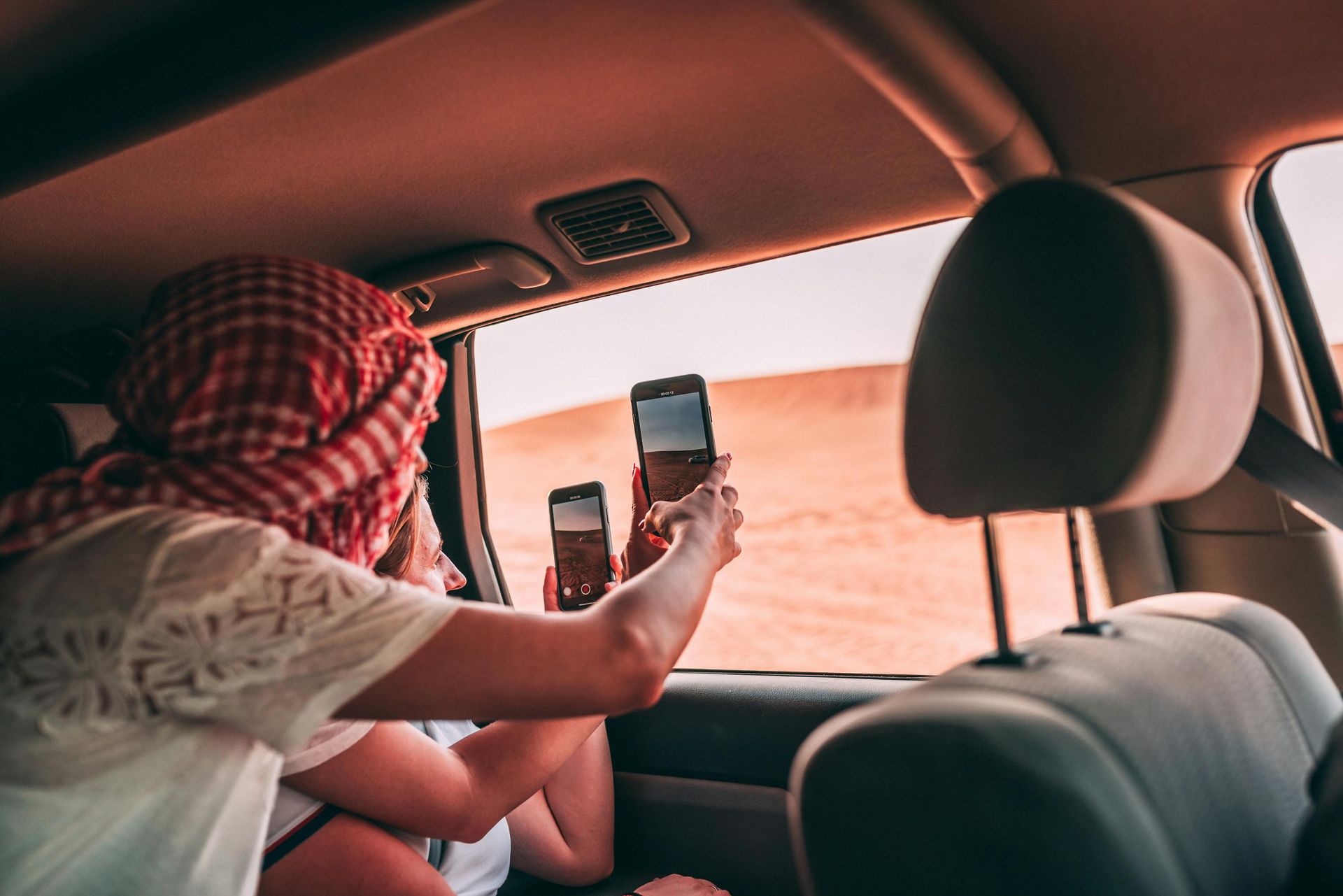
Merzouga, Erg Chebbi, Draa Valley — kasbahs, camel treks, and the world’s most cinematic dunes.
Atlantic Coast
Essaouira, Agadir, Asilah — whitewashed ramparts, surf culture, and Portugal-meets-Africa architecture.
Getting There and Getting Around
Traveling to Morocco has never been more accessible. Direct flights connect the major cities — Casablanca’s Mohammed V International Airport, Marrakech Menara, and Fez-Saïss — to dozens of European, African, and Middle Eastern hubs, with Royal Air Maroc and numerous budget carriers serving well-priced routes. From North America, connections via London, Paris, Madrid, or Casablanca itself are straightforward.
Within Morocco, the infrastructure is considerably more developed than many first-time visitors expect. The Al Boraq high-speed train — inaugurated in 2018 and the first of its kind in Africa — links Casablanca to Tangier in just over two hours, with Rabat and Kenitra en route. Intercity trains connect Casablanca, Rabat, Meknès, Fez, and Marrakech reliably and at low cost. For the south and the desert routes, a private vehicle with a driver or a guided tour in a comfortable 4×4 remains the most practical and rewarding option, allowing stops at kasbahs, gorges, and viewpoints that no bus schedule accommodates.
Where to Stay: The Riad Experience
No aspect of traveling to Morocco is more immediately transformative than the accommodation — specifically, the riad. These traditional Moroccan courtyard houses, converted into guesthouses and boutique hotels, exist behind unmarked doors in the medinas of every major city. From the street, they are invisible. Through the door, they reveal worlds of sculpted plaster, hand-painted zellij tilework, carved cedarwood ceilings, and interior gardens where orange trees grow around central fountains.
Staying in a riad is not simply a comfortable place to sleep; it is an immersion in Moroccan domestic architecture at its finest. Breakfast served on a rooftop terrace overlooking a medina at dawn, or mint tea brought to a courtyard salon in the late afternoon, belongs to a category of travel experience that international hotel chains cannot manufacture at any price.
Food, Language, and Cultural Essentials
Moroccan cuisine — ranked among the world’s great culinary traditions — is itself a reason to travel. The slow-cooked tagine, the paper-thin pastilla, the semolina-steamed couscous served on Fridays, the street-side bowls of harira soup rich with lentils, tomatoes, and spice: each dish carries the accumulated wisdom of centuries of Amazigh, Arab, and Andalusian kitchen culture. Travelers willing to eat as Moroccans eat — sitting low around a communal table, tearing bread, sharing from a single central dish — will find the food a form of cultural education in itself.
On language: a handful of words in Darija (Moroccan Arabic) go an extraordinarily long way. shukran — thank you labas — are you well? bislama — goodbye marhaba — welcome The effort is always noticed, and always rewarded with warmth.
Essential Tips for Traveling to Morocco
-
Dress modestly in medinas and near mosques — lightweight linen layers serve well across all seasons.
-
Carry small denomination dirhams for souks and tips; card payments remain unreliable in rural and traditional areas.
-
Bargaining in souks is expected — begin at roughly half the opening price and enjoy the exchange as conversation.
-
Accept offers of tea without obligation; hospitality in Morocco is unconditional, not transactional.
-
Book riads well in advance for spring and autumn travel — the finest fill months ahead.
-
Allow yourself at least one unplanned day in every city — Morocco’s finest moments are rarely on any map.
Visa, Safety, and Practical Considerations
Citizens of most Western European, North American, and many other nations may enter Morocco visa-free for stays of up to 90 days — though it is always advisable to verify current entry requirements with your national authority before departure. Morocco ranks consistently as one of the safest travel destinations in Africa and the Arab world, with a stable political environment, a well-developed tourism infrastructure, and a population that is genuinely, historically welcoming to foreign visitors.
The Moroccan dirham is not convertible outside the country, so currency exchange is best done upon arrival at banks, ATMs, or official bureaux de change. Travel insurance covering medical evacuation is recommended for those venturing into mountain or desert regions.
Traveling to Morocco is, in the end, an act of willing surrender — to a pace you did not set, a beauty you did not anticipate, and a hospitality so natural it disarms every instinct toward guardedness. The kingdom asks only that you arrive open, curious, and unhurried. What it gives in return is something that travelers spend the rest of their lives trying to describe — and invariably planning to revisit.