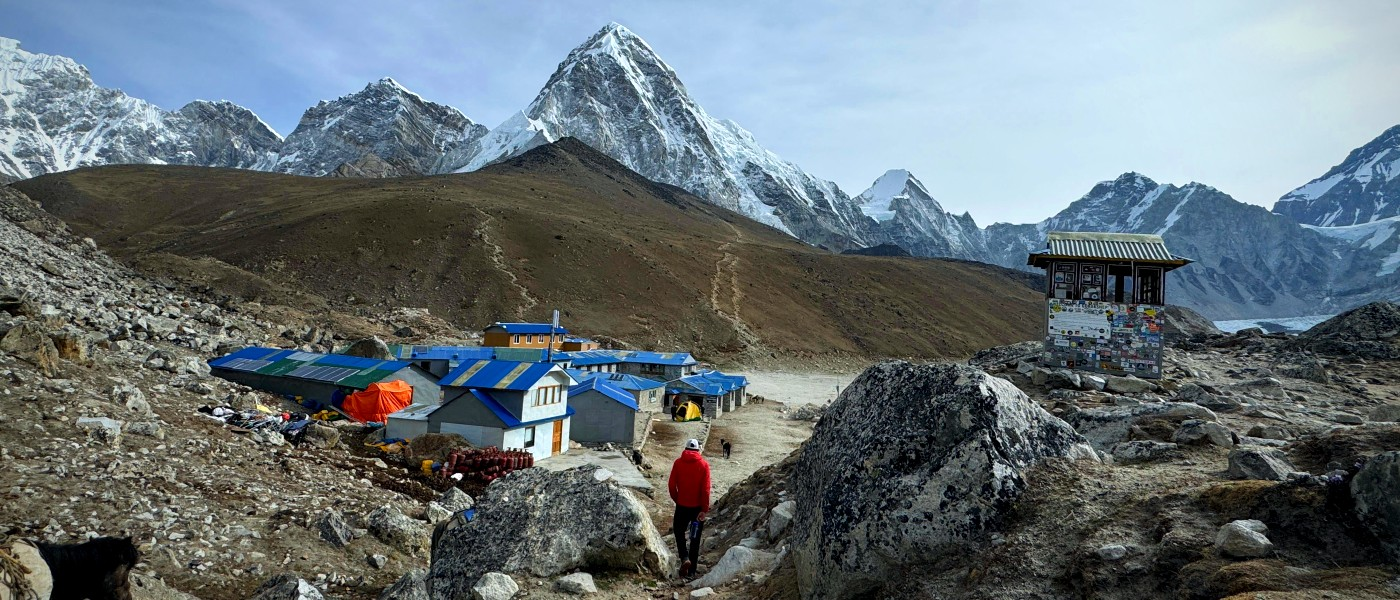
The Everest Base Camp Trek is one of the most famous and rewarding trekking adventures in the world. Located in the Khumbu region of Nepal, this trek attracts thousands of travelers and adventure enthusiasts every year. The journey takes trekkers to the base of Mount Everest, the highest mountain on Earth, offering breathtaking landscapes, rich cultural experiences, and a deep sense of achievement.
The Everest Base Camp Trek is not only about reaching the destination but also about enjoying the journey through traditional Sherpa villages, ancient monasteries, glaciers, and stunning Himalayan views. For many trekkers, it is a once-in-a-lifetime adventure that combines nature, culture, and personal challenge.
Overview of the Everest Base Camp Trek
The Everest Base Camp Trek typically begins with a scenic flight from Kathmandu to Lukla, a small mountain airport that serves as the gateway to the Everest region. From Lukla, trekkers follow a well-established trail through beautiful valleys and charming mountain villages before reaching Everest Base Camp at an altitude of about 5,364 meters (17,598 feet).
The trek usually takes around 12 to 14 days, depending on the itinerary and acclimatization schedule. Along the route, trekkers pass through famous places such as Phakding, Namche Bazaar, Tengboche, Dingboche, and Gorakshep. Each location offers unique landscapes and cultural insights that make the journey unforgettable.
Scenic Beauty Along the Trail
One of the main highlights of the Everest Base Camp Trek is the spectacular natural scenery. Trekkers walk through lush forests filled with pine and rhododendron trees, cross suspension bridges over rushing rivers, and gradually climb into the high alpine region of the Himalayas.
As the trek progresses, the views become even more dramatic. Snow-covered peaks such as Mount Everest, Lhotse, Nuptse, Ama Dablam, and Thamserku dominate the skyline. The Khumbu Glacier and the famous Khumbu Icefall are also major highlights near Everest Base Camp.
Kala Patthar, a popular viewpoint near Gorakshep, offers one of the best panoramic views of Mount Everest. Many trekkers climb Kala Patthar early in the morning to witness the sunrise over the Himalayan peaks.
Cultural Experience in the Everest Region
The Everest region is home to the Sherpa people, who are well known for their mountaineering skills and strong connection to the mountains. During the Everest Base Camp Trek, trekkers have the opportunity to experience Sherpa culture and traditions.
Namche Bazaar, the largest town in the Khumbu region, is an important cultural and trading center. Trekkers often spend a day here for acclimatization while exploring local markets, cafes, and museums.
Another cultural highlight of the trek is Tengboche Monastery, the largest Buddhist monastery in the Everest region. Located at an altitude of 3,867 meters, this sacred site offers a peaceful atmosphere and stunning mountain views.
Prayer flags, chortens, mani walls, and traditional stone houses can be seen throughout the trail, reflecting the deep spiritual traditions of the Himalayan communities.
Best Time for Everest Base Camp Trek
The best seasons for the Everest Base Camp Trek are spring and autumn.
Spring, from March to May, is one of the most beautiful times to trek in the Everest region. The weather is generally mild, and the trails are decorated with blooming rhododendron flowers. Many mountaineering expeditions also take place during this season.
Autumn, from September to November, is considered the most popular trekking season. After the monsoon rains, the skies become clear, offering spectacular views of the mountains. The temperatures are comfortable, and the trekking conditions are ideal.
Winter trekking is possible but can be extremely cold at higher altitudes, while the summer monsoon season brings heavy rainfall and limited mountain visibility.
Physical Fitness and Preparation
The Everest Base Camp Trek is considered a moderate to challenging trek. Although it does not require technical climbing skills, trekkers must be prepared for long walking days and high altitude.
Physical preparation is important before starting the trek. Regular walking, hiking, and cardiovascular exercises can help improve stamina and endurance. It is also important to acclimatize properly to avoid altitude sickness.
Most trekking itineraries include rest days in places like Namche Bazaar and Dingboche to allow the body to adjust to the altitude gradually.
Accommodation and Food
Accommodation during the Everest Base Camp Trek is mainly provided in tea houses. These are simple mountain lodges run by local families that offer basic but comfortable rooms for trekkers.
Meals usually include a variety of local and international dishes such as dal bhat (a traditional Nepali meal of rice and lentils), noodles, soups, fried rice, and pancakes. Drinking plenty of water and maintaining a healthy diet are essential for maintaining energy during the trek.
Tea houses also provide a warm social environment where trekkers from different parts of the world share stories and experiences.
Essential Gear for the Trek
Packing the right equipment is essential for a successful Everest Base Camp Trek. Some important trekking gear includes:
- High-quality trekking boots
- Warm layers and down jacket
- Waterproof jacket and pants
- Sleeping bag suitable for cold temperatures
- Trekking poles
- Sunglasses and sunscreen
- Backpack and water bottle
Weather conditions in the Himalayas can change quickly, so proper clothing and gear are crucial for safety and comfort.
Responsible Trekking Practices
As the Everest region continues to attract visitors, responsible tourism has become increasingly important. Trekkers are encouraged to minimize plastic waste, respect local customs, and protect the fragile mountain environment.
Hiring local guides and porters also helps support the local economy and provides employment opportunities for mountain communities.
By following sustainable trekking practices, travelers can help preserve the natural beauty and cultural heritage of the Everest region.
Conclusion
The Everest Base Camp Trek is one of the most extraordinary adventures a traveler can experience. It offers a unique combination of breathtaking Himalayan scenery, cultural exploration, and personal accomplishment.