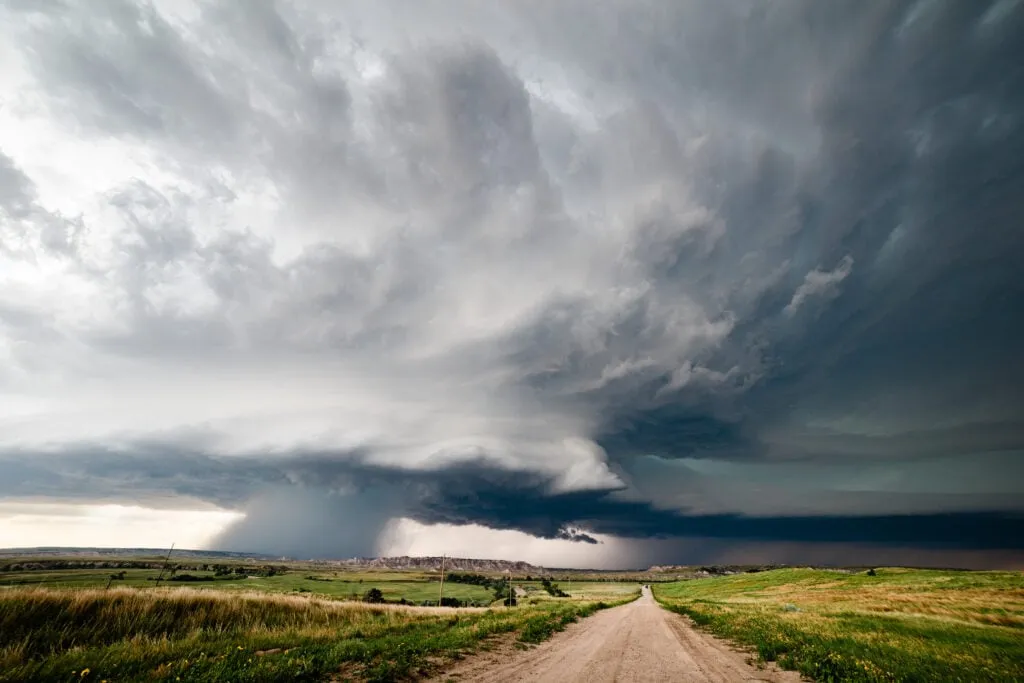
Packing for a storm chasing tour requires more planning than preparing for an ordinary road trip. Guests may travel through several states, experience warm sunshine and strong winds on the same day, and spend long periods inside the chase vehicle before stepping outside near developing storms.
The weather across the Great Plains can change quickly as the team crosses cold fronts, warm fronts and drylines. A practical packing strategy should therefore focus on layers, mobility and equipment that can be stored or retrieved without delaying the group. The official FAQ recommends packing for approximately six days, even for guests joining a longer tour, because laundry facilities may be available at some hotels.
Start With a Soft-Sided Suitcase
The operator recommends one soft-style suitcase and a smaller carry-on bag. A soft bag is easier to store in the luggage area of a passenger van than a large rigid case.
Guests should avoid overpacking. The tour may use a different hotel each night, so carrying several heavy bags can make daily loading and unloading more difficult.
The smaller carry-on should hold the items needed during the chase. Large luggage may not remain easily accessible while the group is traveling.
Pack Layers for Rapid Weather Changes
Conditions across Tornado Alley can shift within hours. A warm and humid afternoon may become cooler after a front passes or when the group approaches a storm.
Light layers allow travelers to adjust without carrying bulky clothing. The official FAQ recommends comfortable clothing, a waterproof jacket, sturdy shoes, a hat, sunglasses and sunscreen. It also suggests rain- and windproof trousers, including practical zip-off styles, because conditions can change as the tour crosses different weather systems.
A suitable clothing list includes:
-
Breathable shirts for warm travel periods
-
Comfortable trousers or zip-off weather-resistant pants
-
A lightweight sweater or fleece
-
A waterproof and wind-resistant jacket
-
Sturdy shoes with reliable grip
-
A hat, sunglasses and sunscreen
Guests should also bring enough socks and underlayers for the trip. Quick-drying materials can be useful when rain or mud affects an observation stop.
Keep Essential Items in a Day Bag
A compact day bag should remain organized and easy to carry. It should not block the aisle or take up another passenger’s seating space.
Useful essentials include:
-
Prescription medication and written prescription information
-
Identification and emergency contact details
-
A refillable water bottle
-
A portable phone charger
-
Camera batteries and memory cards
-
A waterproof cover for electronic equipment
-
Small snacks for delayed meal stops
The FAQ advises travelers carrying prescription medication to bring supporting prescription documentation. Some areas visited by the tour may involve law-enforcement checks, particularly near international border regions.
Choose Mobile Camera Equipment
Storm photography equipment should be useful without becoming difficult to pack. Guests may need to return to the vehicle quickly when the guides decide to reposition.
The official guidance allows tripods but explains that they may not be permitted during situations where setup and breakdown could delay the group. Tripods are more suitable when the team expects to remain in one place for more than five minutes or when guests are photographing lightning. A monopod may provide a faster and more mobile alternative.
Photographers should consider bringing:
-
A camera with fully charged batteries
-
A wide-angle lens for complete storm structures
-
A moderate telephoto lens for distant details
-
Spare memory cards
-
Lens cloths and rain protection
-
A compact monopod or lightweight tripod
Every item should be easy to secure before the vehicle moves.
Prepare for Long Road Periods
Guests may spend an average of six to eight hours in the vans or SUVs during a chase day. The operator also limits each van to six participants and provides every guest with a guaranteed window seat, creating additional passenger and luggage space.
A small travel pillow, light sweater and portable charger can make road periods more comfortable. However, guests should avoid bringing unnecessary items that create clutter.
Meal and restroom stops depend on the weather. Keeping water and a few simple snacks available is sensible, but guests should also follow the guide’s instructions about breaks and departure times.
Tour 6 2027 Package Details
Tour 6 is especially relevant to travelers preparing for changing Plains weather. Guests arrive in Wichita on June 12, 2027, before six chase days from June 13 through June 18.
The package follows the storm season northward from traditional chasing areas near Oklahoma into Nebraska and beyond. It includes five hotel nights during the active tour, transportation, fuel, forecast experts, guides and drivers, weather forecast briefings, a guaranteed window seat, airport transfers and an exclusive tour shirt. Tour 6 is currently listed as filling fast.
Conclusion
Packing successfully for a 2027 storm chasing tour means choosing practical clothing, manageable luggage and equipment that can be moved quickly.
Layers, weather-resistant trousers, a waterproof jacket and sturdy shoes help guests adapt as conditions change across the Plains. A soft-sided suitcase and compact day bag make daily travel easier, while simple camera equipment reduces delays during repositioning.
Travelers joining Tour 6 or another 2027 package should pack for mobility rather than carrying every possible item. The goal is to remain comfortable, organized and ready whenever the weather changes.