The Upper Dolpo Trek is one of the most remote and extraordinary trekking experiences in Nepal. Located in the far-western region of Nepal, Upper Dolpo is a hidden gem that offers untouched landscapes, ancient culture, and a true off-the-beaten-path adventure.
Unlike popular trekking routes such as Everest or Annapurna, Upper Dolpo remains largely unexplored, making it ideal for trekkers seeking solitude, authenticity, and a deep connection with nature. This trek takes you through high mountain passes, crystal-clear lakes, and traditional villages where centuries-old traditions are still preserved.
Why Choose the Upper Dolpo Trek?
The Upper Dolpo Trek is perfect for adventurous travelers who want to explore one of Nepal’s most remote regions. Here’s why it stands out:
-
Remote and Untouched: Far from crowded trekking routes
-
Unique Culture: Strong influence of Tibetan Buddhism and Bon traditions
-
Stunning Landscapes: High-altitude deserts, mountains, and lakes
-
Spiritual Experience: Visits to ancient monasteries and sacred sites
This trek offers a rare opportunity to experience a part of the Himalayas that has remained unchanged for centuries.
Where is Upper Dolpo?
Upper Dolpo lies in northwestern Nepal, near the border with Tibet. It is part of Shey Phoksundo National Park, the largest national park in Nepal.
The region is known for its rugged terrain, high-altitude landscapes, and limited accessibility. Due to its remoteness, the area requires special permits, and trekking here is usually done with organized tours.
Highlights of the Upper Dolpo Trek
1. Phoksundo Lake
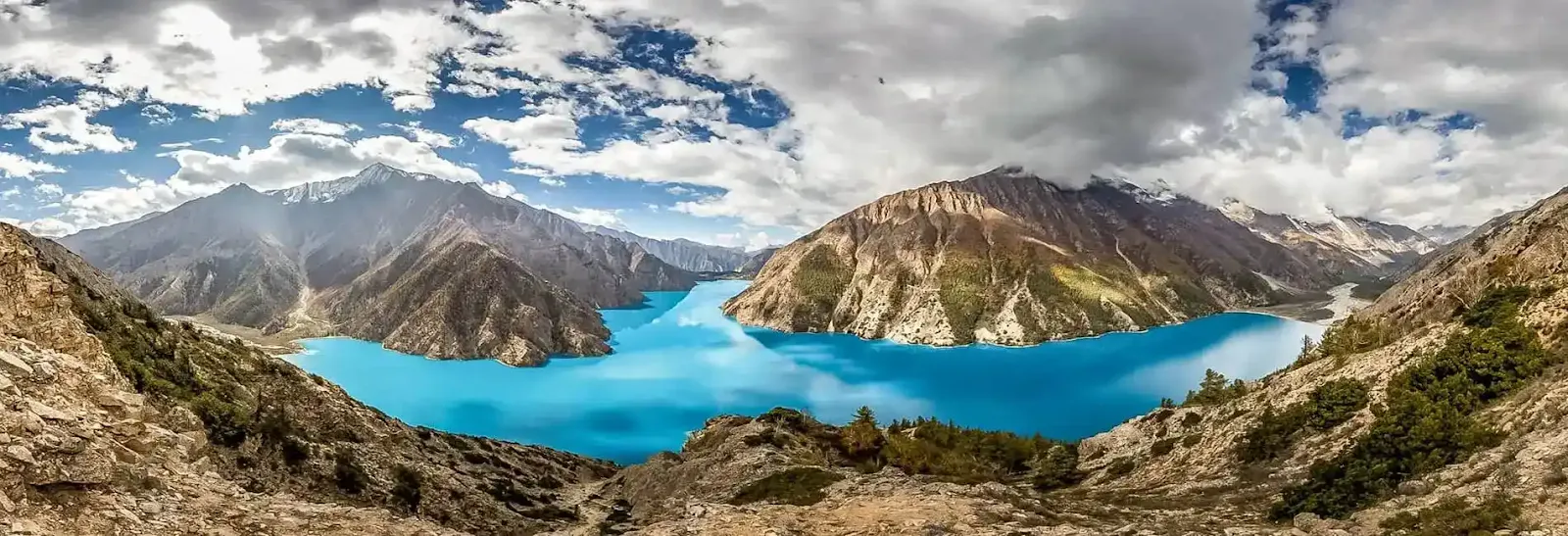
Phoksundo Lake is one of the most beautiful lakes in Nepal, known for its deep blue color and pristine surroundings.
-
Crystal-clear turquoise water
-
Surrounded by mountains and forests
-
A perfect spot for photography and relaxation
2. Shey Gompa
Shey Gompa is an ancient monastery and an important spiritual center in Dolpo.
-
Rich history and religious significance
-
Peaceful and remote location
-
Stunning views of surrounding mountains
3. High Mountain Passes
The Upper Dolpo Trek involves crossing several high passes, including:
-
Kang La Pass (5,360 meters)
-
Sela La Pass (5,094 meters)
These passes offer breathtaking panoramic views and a sense of true adventure.
4. Traditional Villages
Trekkers pass through remote villages where people still follow ancient lifestyles.
-
Stone houses and traditional architecture
-
Unique customs and traditions
-
Warm hospitality from locals
5. Unique Landscapes
Upper Dolpo features a mix of landscapes, including:
-
High-altitude deserts
-
Snow-capped mountains
-
Deep valleys and rivers
The region’s raw beauty makes it one of the most scenic trekking destinations in Nepal.
Upper Dolpo Trek Itinerary Overview
The Upper Dolpo Trek typically takes 18–25 days, depending on the route and pace.
Key Stages:
-
Start in Kathmandu: Preparation and permits
-
Flight to Nepalgunj and Juphal: Entry point for the trek
-
Trek through villages and valleys: Gradual ascent and acclimatization
-
Visit Phoksundo Lake and Shey Gompa: Main highlights
-
Cross high mountain passes: Challenging but rewarding
-
Return via different route or same trail
This long-duration trek requires proper planning and physical preparation.
Difficulty Level
The Upper Dolpo Trek is considered challenging due to:
-
High altitude (above 5,000 meters)
-
Long trekking days
-
Remote and rugged terrain
-
Limited facilities
It is best suited for experienced trekkers or those with good fitness levels and prior trekking experience.
Best Time for the Upper Dolpo Trek
The best seasons for trekking in Upper Dolpo are:
Spring (April to June)
-
Mild temperatures
-
Clear skies
-
Beautiful landscapes
Autumn (September to November)
-
Stable weather
-
Excellent visibility
-
Ideal trekking conditions
Unlike other regions of Nepal, Dolpo lies in a rain shadow area, making it suitable for trekking even during the monsoon season.
Permits Required
Due to its restricted status, trekking in Upper Dolpo requires special permits:
-
Restricted Area Permit
-
Shey Phoksundo National Park Permit
These permits are usually arranged through trekking agencies.
Accommodation and Food
Camping Trek
Most Upper Dolpo treks are organized as camping treks due to limited teahouses.
-
Tents for sleeping
-
Cooked meals provided by trekking staff
-
Dining tents for meals
Food
Meals typically include:
-
Rice, lentils, and vegetables
-
Noodles and soups
-
Tea and snacks
Food is simple but nutritious, providing energy for long trekking days.
Essential Tips for Upper Dolpo Trek
-
Prepare Physically
Train for endurance and high-altitude trekking before your trip. -
Acclimatize Properly
Take rest days to adjust to the altitude and avoid altitude sickness. -
Hire Experienced Guides
Due to the remoteness, guides are essential for navigation and safety. -
Pack Smart
-
Warm clothing for cold temperatures
-
Good-quality trekking boots
-
Sleeping bag and gear
-
First aid kit
-
Plan Logistics Carefully
Flights, permits, and supplies must be arranged in advance.
Why the Upper Dolpo Trek is Unique
The Upper Dolpo Trek stands out because it offers a rare combination of natural beauty, cultural richness, and adventure. Unlike more popular trekking routes, Dolpo remains untouched and authentic.
Trekkers can experience ancient traditions, explore remote monasteries, and witness landscapes that feel almost otherworldly. The journey is not just about reaching a destination—it’s about discovering a hidden world.
Conclusion
The Upper Dolpo Trek is one of the most extraordinary trekking adventures in Nepal. With its remote location, stunning landscapes, and rich cultural heritage, it offers a truly unique experience for those willing to venture off the beaten path.
From the breathtaking beauty of Phoksundo Lake to the spiritual atmosphere of Shey Gompa and the challenge of high mountain passes, every step of the trek is filled with discovery and adventure.
If you are looking for a trekking experience that goes beyond the ordinary, the Upper Dolpo Trek is the perfect choice. It’s a journey into one of the last untouched regions of the Himalayas, offering memories that will last a lifetime.