The first day of an Everest trek can feel exciting and a little strange. You leave the busy roads behind, fly toward a small mountain airport, and suddenly find yourself surrounded by hills and huge peaks.
From there, the journey happens mostly on foot.
The Everest Base Camp Luxury Trek follows the famous route through the Khumbu, but it places extra attention on comfort, service, and a well-planned daily experience. You still have to earn the views with your own steps, but the journey does not have to feel unnecessarily difficult.
Your Everest Adventure Begins in Lukla
For many trekkers, Lukla is the real starting point of the Everest experience.
The town sits high in the mountains and has a very different feel from Kathmandu. The air is cooler, the roads are limited, and the surrounding hills quickly remind you that you have entered a remote part of Nepal.
The Flight Is Part of the Experience
The flight toward Lukla is short, but it can be one of the most memorable parts of the trip.
As the aircraft moves toward the mountains, the scenery changes from city and farmland to steep hills and valleys.
Flight schedules can depend on weather and operating conditions, so flexibility is important.
Once you land, the walking adventure begins.
The First Walking Days Are About Adjustment
The early part of the route usually feels different from the higher sections.
You may walk through forests, cross streams, pass small settlements, and follow rivers through narrow valleys.
It is tempting to walk quickly because the altitude may not feel too difficult yet.
That is exactly why maintaining a steady pace matters.
Do Not Try to Prove Your Fitness
A trek is not a race.
Walking too fast at the beginning can leave you tired before the harder sections arrive. A comfortable pace helps conserve energy for later days.
Your guide can help set a rhythm that matches the group and the conditions.
Phakding and the First Taste of Mountain Life
After leaving Lukla, many itineraries include a stop around Phakding.
The area gives you an early look at life along the Everest trail. You will see stone buildings, local lodges, suspension bridges, and people moving supplies along paths that connect mountain communities.
It is also a good time to settle into the routine of trekking.
Wake up. Eat breakfast. Walk. Take breaks. Enjoy the views. Reach your accommodation. Rest.
That simple rhythm becomes part of life on the trail.
Namche Bazaar Changes the Feeling of the Trek
As the trail continues toward Namche Bazaar, the landscape becomes more dramatic.
The route includes uphill sections, bridges, and forested paths. Eventually, you reach one of the most important towns in the Khumbu.
Namche feels busy compared with the smaller villages.
Why Namche Matters
Namche is more than a place to sleep.
It is commonly used for acclimatization because gaining altitude too quickly can increase the risk of altitude sickness.
A rest or acclimatization day gives your body time to adjust.
You can use this time to explore the area rather than simply sitting indoors.
The Trail Gets More Rugged After Namche
Higher on the route, the scenery begins to change again.
Forests become thinner. The air feels colder. The valleys open up, and large mountain peaks become a constant part of the view.
The trail can also become more demanding.
Expect Slower Walking
At higher elevations, even a normal uphill section can feel harder than expected.
Your breathing may become heavier, and your walking speed naturally decreases.
That is normal.
Instead of worrying about how slowly you are moving, focus on keeping a steady rhythm and taking short breaks when needed.
Luxury Matters More When the Days Get Harder
The value of comfort becomes easier to understand after several days of walking.
Your legs are tired. The temperature drops. You have spent hours outside.
Having a comfortable place to rest can make the evening feel completely different.
Your Evening Becomes Recovery Time
After reaching your accommodation, your priorities are simple.
Get warm. Eat. Drink water. Rest.
A better organized Everest Base Camp Luxury Trek can make these basic parts of the day easier by reducing unnecessary travel problems and giving greater attention to accommodation and service.
Higher Villages Bring a Different Landscape
As you continue toward Base Camp, settlements become smaller and the environment becomes more rugged.
The colorful forests of the lower trail are replaced by rocky slopes, glaciers, and high mountain valleys.
You may also notice that everyday tasks take more effort.
Even getting ready in the morning can feel different at high altitude.
Keep Your Routine Simple
Do not overload yourself with unnecessary activities.
Eat enough. Drink regularly. Protect your skin from the strong sun. Keep your clothing dry and warm.
Most importantly, follow your guide’s advice about altitude and daily movement.
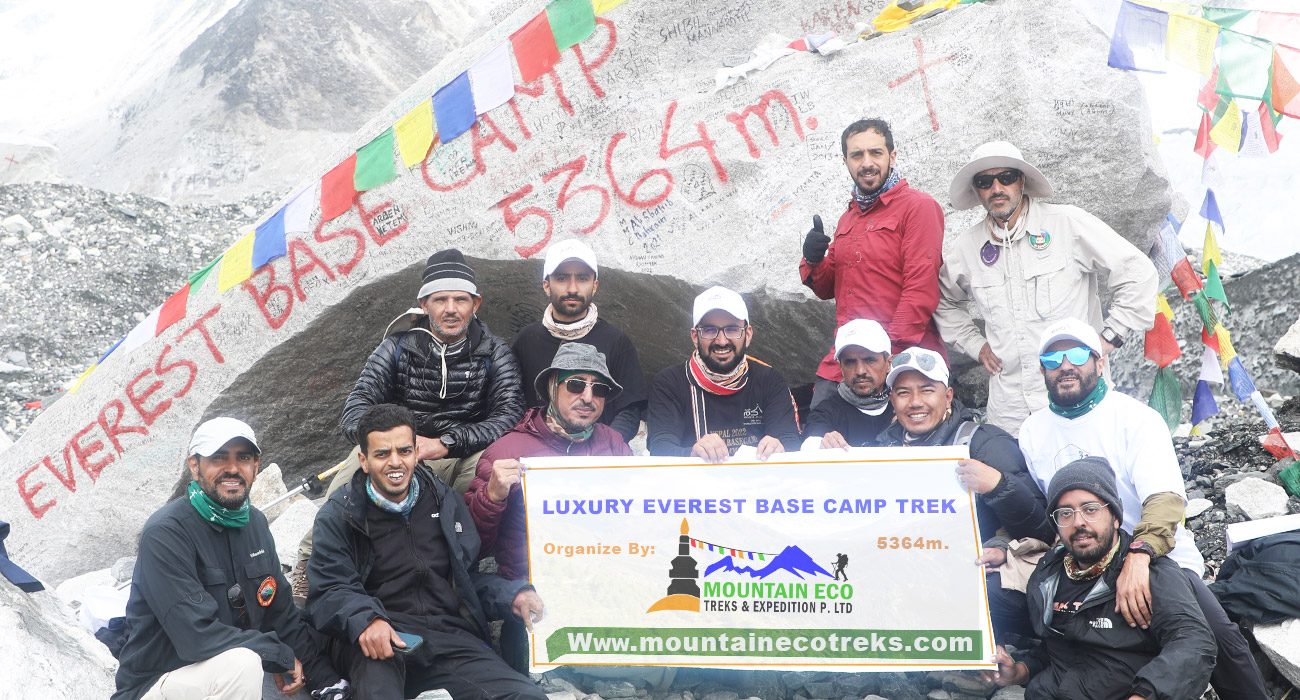
The Final Approach to Everest Base Camp
The closer you get to Base Camp, the more the landscape begins to feel like a true high-mountain environment.
The trail around Gorak Shep and the Khumbu Glacier is rocky and dramatic.
There are no city comforts here.
What you get instead is something far more unusual: a close view of the landscape used by climbers heading toward Everest.
Base Camp Is a Moment, Not the Whole Trip
When you finally arrive, you may feel excited, tired, proud, or all three.
Take your time.
Look around at the glacier, surrounding peaks, and colorful expedition areas when they are present during the climbing season.
Take photographs, but also give yourself a few quiet minutes to simply stand there.
You have spent days walking toward this point.
The Return Journey Has Its Own Rewards
Some travelers think the trip ends when they reach Base Camp.
It does not.
The return route gives you a chance to see familiar places differently.
Because you are walking downhill or on easier sections, you may have more energy to notice details that you missed on the way up.
Familiar Villages Feel Different on the Way Back
A village that seemed distant during the climb can suddenly feel welcoming.
A bridge that looked intimidating may feel easier.
A long uphill section becomes a downhill walk.
This change in perspective is one of the quiet pleasures of trekking.
What Should You Expect From the Weather?
Mountain weather can be unpredictable.
A sunny morning does not guarantee a warm afternoon. Higher elevations can be cold even when lower villages feel pleasant.
Good clothing is therefore essential.
Bring layers that allow you to adjust throughout the day. Waterproof protection is also useful because conditions can change without much warning.
Why Planning Matters
A successful Everest trip depends on more than physical fitness.
Flights, accommodation, permits, guides, acclimatization, meals, weather, and emergency planning all matter.
This is where organized trekking can provide real value.
Instead of trying to solve every problem yourself, you have a team managing important parts of the journey.
Is a Luxury Trek Still a Real Adventure?
Absolutely.
A nicer room does not make the mountains smaller.
You still walk through the same valleys. You still climb the same trails. You still face altitude and changing weather.
The luxury element simply gives you more comfort around the challenge.
For travelers who want the Everest experience but prefer a more polished trip, the Everest Base Camp Luxury Trek can be a strong choice.
Frequently Asked Questions
Where does the Everest Base Camp trek usually begin?
The classic route commonly starts around Lukla after traveling from Kathmandu, although exact arrangements can vary depending on the itinerary and current flight conditions.
Is the Lukla flight always available?
Flights are affected by weather and operating conditions. Trekkers should keep some flexibility in their schedule.
Does the trail become harder after Namche?
Yes. As you gain altitude, the air becomes thinner and the terrain becomes more rugged. A steady pace and proper acclimatization become increasingly important.
How should I prepare for the trek?
Build your walking fitness before the trip. Practice longer walks, use your trekking footwear in advance, and prepare for cold and changing weather.
What is the biggest advantage of a luxury itinerary?
It offers greater attention to accommodation, organization, service, and comfort while allowing you to experience the demanding Everest trail.