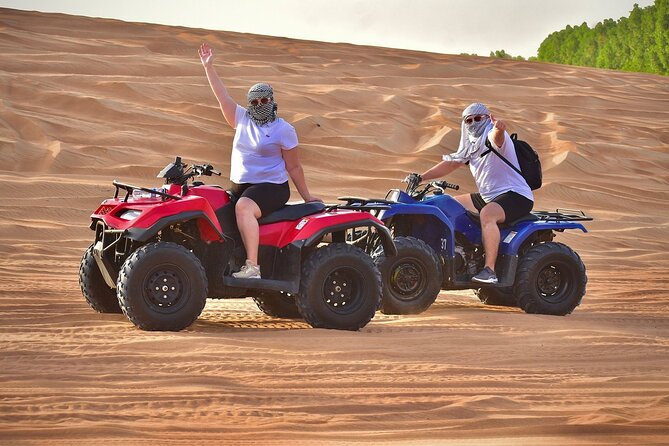
There is a profound difference between being a passenger in a steel-framed 4×4 and sitting directly behind the handlebars or steering wheel of an off-road machine in the heart of the Arabian desert. When you throttle up a high-performance ATV or strap into a low-slung, roll-caged dune buggy, the buffer between you and the raw power of the dunes disappears.
However, the very elements that make off-roading in Dubai so exhilarating—the sheer drop-offs, the fluid, shifting nature of the sand, and the vast scale of the terrain—also make it highly unforgiving for the unprepared. Every year, eager travelers arrive in the desert expecting a simple, theme-park-style ride, only to find themselves stuck in deep sand pockets, suffering from heat exhaustion, or worse, involved in preventable rollovers.
To help you skip the tourist pitfalls and dominate the dunes safely, this guide pulls back the curtain on off-road vehicle mechanics, professional riding techniques, and the critical safety protocols required for a premier desert safari dubai experience.
1. Quad Bikes vs. Dune Buggies: Choosing Your Weapon
Before booking, you need to understand how these two classes of machines differ in their handling, safety profiles, and physical demands.
The Quad Bike (All-Terrain Vehicle / ATV)
A quad bike is an open, straddle-mount vehicle steered via handlebars.
-
The Dynamics: Riding a quad bike is highly physical. Your body acts as an active counterweight. If you sit statically like a passenger, the machine is far more likely to tip.
-
Engine Specs: Standard entry-level tourist quads are typically automatic and range from 150cc to 250cc (often restricted to fenced areas). For open-desert tours, you want to look for at least 350cc to 400cc sport models (like the Yamaha Raptor or Suzuki LTZ) which provide the necessary torque to climb steep dune faces.
The Dune Buggy (Utility Terrain Vehicle / UTV)
A dune buggy is a side-by-side vehicle with automotive-style controls (steering wheel, accelerator, and brake pedals).
-
The Dynamics: You are strapped into bucket seats surrounded by a tubular steel roll cage. Because of their wider track width and lower center of gravity, buggies are inherently more stable than quad bikes on off-chamber slopes.
-
Engine Specs: These are incredibly powerful machines, often powered by 800cc to 1000cc engines (including turbocharged variants like the Can-Am Maverick or Polaris RZR), delivering an experience akin to driving a mini trophy truck.

2. The Physics of Sand: Essential Dune-Riding Techniques
Driving on sand is nothing like driving on dirt, mud, or asphalt. Sand is a high-drag, fluid medium that behaves almost like water. To maintain control, you must master these four professional handling principles:
I. The Golden Rule of Momentum (The “Anti-Sink” Method)
Because sand constantly absorbs kinetic energy, momentum is your lifeline. The moment you completely cut the throttle while ascending a slope, gravity and dry sand friction will instantly arrest your forward motion, causing your wheels to dig straight down into a pocket.
-
The Technique: Maintain a steady, progressive throttle pressure as you climb. If you feel your tires beginning to spin out or lose traction, do not dig deeper by spinning the tires. Gently back off the throttle, allow the tires to catch, steer downhill to gather momentum, and try the climb again with a wider, sweeping arc.
II. Active Body Weight Shifting (For Quad Riders)
When riding a quad bike, your center of mass must adapt to the angle of the terrain to prevent the machine from rolling.
-
Climbing: Lean forward over the handlebars. This puts weight on the front tires, maintaining steering control and keeping the front end from flipping backward.
-
Descending: Slide your hips toward the rear of the seat and lean back. This prevents the rear wheels from lifting and pitching you over the front bumper.
-
Traversing Slopes: If you are driving horizontally across the side of a dune, always lean your upper body uphill. Keep your feet firmly planted on the foot pegs and push your weight toward the high side of the slope.
III. Cresting with Caution (Avoiding the “Launch”)
A common mistake made during a thrilling morning dune bashing run is gunning the engine all the way to the top of a dune. Sand dunes naturally form a razor-sharp “crest” where the windward slope meets the steep, leeward “slip face.”
-
The Danger: If you fly over the crest with too much speed, you will launch your vehicle into mid-air, landing blindly on a steep downhill slope, which can lead to catastrophic suspension damage or a rollover.
-
The Technique: Ease off the throttle slightly as your front tires reach the crest. Pause for a split second to visually inspect the slope on the other side, then apply gentle throttle to pull the rear wheels over.
3. Top Safety Protocols: How the Experts Minimize Risk
A true adventure is one where you push your limits but return to your hotel without a scratch. When booking your desert safari with quad bike or dune buggy, ensure these non-negotiable safety standards are in place:
I. The Pre-Ride Inspection Checklist
Never hop onto a machine and immediately pin the throttle. Do a quick, 60-second structural audit first:
-
Tire Pressure: Off-road tires should be deflated (beaded down to roughly 8–12 PSI). Low tire pressure expands the tire’s footprint, allowing it to “float” on top of the sand rather than digging in.
-
Throttle Responsiveness: Press and release the thumb throttle (or gas pedal) to ensure it snaps back instantly. A sticking throttle in the open desert is incredibly dangerous.
-
Brake Check: Test both front and rear hand brakes (or foot pedal brakes) to ensure they hold firmly without feeling spongy.
II. Protective Gear is Non-Negotiable
The desert sun is scorching, and spinning off-road tires fling roost (flying sand and small gravel) at high speeds.
-
The Helmet: Must fit snugly. If the helmet can slide around on your head, ask your guide for a smaller size.
-
The Goggles: Tinted, sealed goggles are highly recommended to prevent fine sand dust from entering your eyes and blinding you mid-ride.
-
The Footwear: Skip the open-toed sandals for this portion of your journey. Wear closed-toe shoes or high-top sneakers to protect your feet and ankles from engine heat and flying debris.
4. Understanding Legalities & Booking Integrity in Dubai
Before you head out, make sure you understand the local off-road regulations and licensing laws in the UAE:
-
No Driver’s License Required: For recreational, guided off-road desert safaris in designated conservation zones, you do not need a standard driving license.
-
Age Limits: To operate a quad bike solo in the open desert, UAE regulations require riders to be at least 16 years old. Younger children (usually aged 12-15) can ride dual-seater ATVs or buggies as passengers accompanied by an adult guardian.
-
Open Desert vs. In-Circle Riding: Budget tours often restrict you to a flat, dusty 600-meter fenced circle near the highway. For a true, high-value adventure, always verify that your booking includes guided open-desert dune riding.
Conquer the Dunes with Confidence
Mastering the sand isn’t about raw speed; it is about reading the terrain, managing your vehicle’s momentum, and respecting the natural power of the desert. By choosing a professional operator and using proper handling techniques, you can turn a simple sightseeing tour into an epic, self-driven expedition.
Ready to experience the true majesty of the Arabian sands without the tourist crowds? Book a premium, open-desert buggy or custom quad tour with the terrain experts at Captured Desert. We provide top-tier, meticulously maintained machines, professional guides, and custom-tailored routes designed to give you the ultimate off-road adventure safely.