Perched at 2,430 meters above sea level on a mountain ridge between the Andes peaks of Huayna Picchu and Machu Picchu Mountain, the legendary “Lost City of the Incas” represents one of humanity’s most remarkable architectural achievements. A Machu Picchu adventure transcends ordinary sightseeing: it’s a pilgrimage through cloud forests and ancient stone corridors, a physical challenge that tests endurance while rewarding perseverance with breathtaking vistas, and an immersive journey into a civilization whose engineering prowess and astronomical knowledge continue astounding modern observers. Whether trekking the famous Inca Trail, exploring alternative routes, or arriving by train, the adventure to and through Machu Picchu creates life-defining moments that transform casual tourists into passionate advocates for this extraordinary UNESCO World Heritage Site.
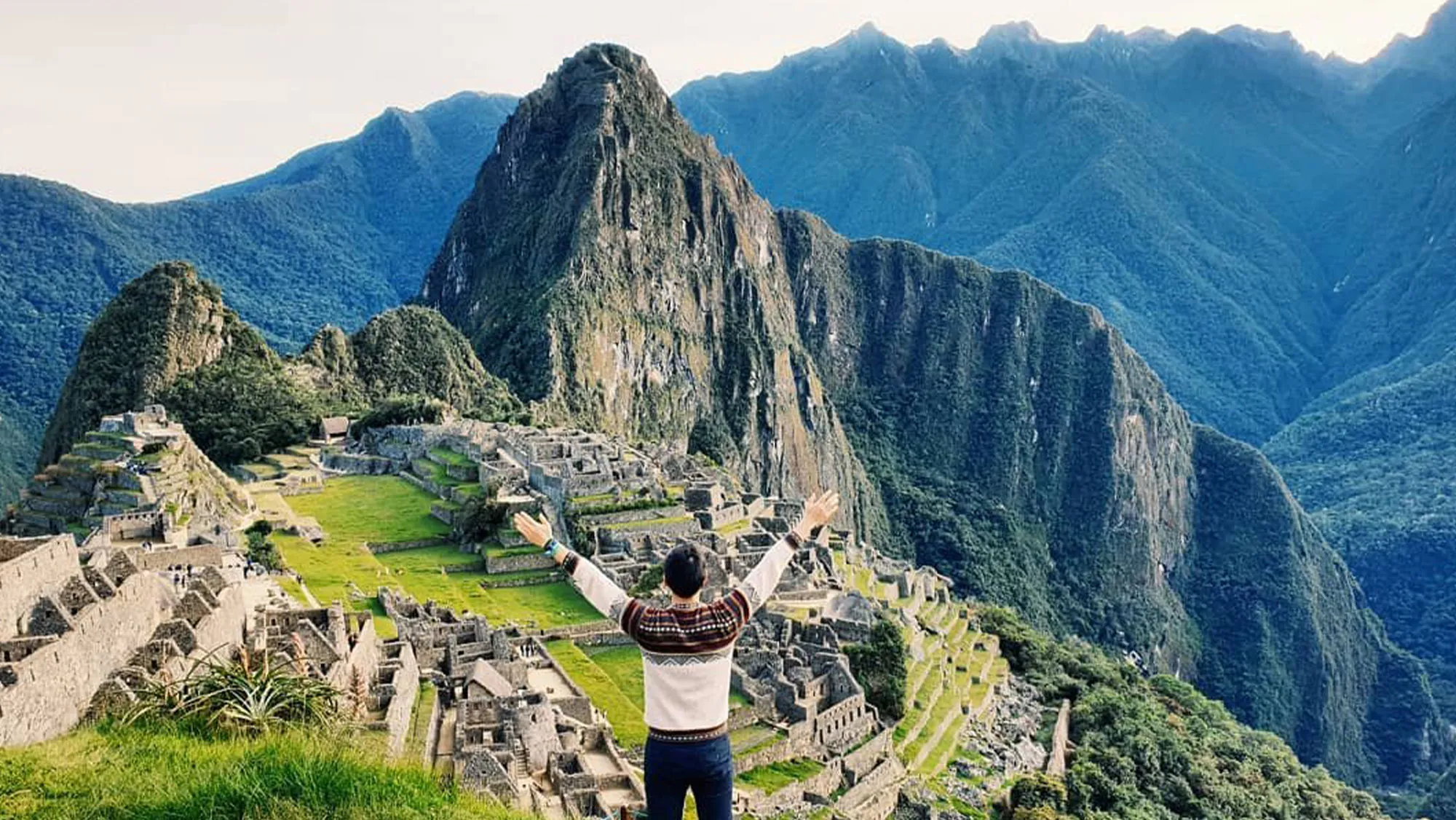
The Magnificent Ruins: A Testament to Inca Ingenuity
Machu Picchu’s discovery by American historian Hiram Bingham in 1911 revealed to the Western world what local Quechua communities had known for centuries that these mountain heights harbored architectural marvels of unprecedented sophistication. The citadel comprises over 200 structures including temples, residences, agricultural terraces, and ceremonial platforms, all constructed using precisely cut granite blocks fitted together without mortar so perfectly that not even knife blades can slide between joints.
The site’s engineering demonstrates remarkable understanding of seismology, hydrology, and astronomy. Located in an earthquake-prone region, the mortarless construction allows stones to shift during tremors then resettle into original positions using a technique called ashlar that has preserved structures through five centuries of seismic activity. Sophisticated drainage systems channel torrential mountain rains through 129 drains preventing erosion and flooding, while agricultural terraces incorporate drainage layers ensuring crops receive optimal moisture without waterlogging.
Astronomical alignments reveal the Incas’ celestial knowledge. The Intihuatana stone, whose name translates as “hitching post of the sun,” functions as an astronomical clock and calendar. During winter solstice, the sun stands directly above this pillar creating no shadow, a phenomenon the Incas interpreted as the sun being tied to earth, ensuring its return after the year’s shortest day. The Temple of the Sun’s window aligns precisely with sunrise during summer solstice, demonstrating intentional architectural planning incorporating cosmic cycles into sacred structures.
The purpose of Machu Picchu continues generating scholarly debate. Theories suggest it served as royal estate for Inca emperor Pachacuti, sacred religious sanctuary, astronomical observatory, or some combination thereof. The site’s remote location, elaborate construction, and limited permanent population suggest elite rather than common usage. Whatever its original function, Machu Picchu represents Inca civilization at its architectural and cultural zenith.
The Classic Inca Trail: Four Days to Glory
The Inca Trail trek represents South America’s most famous hiking route, combining physical challenge with historical immersion and spectacular Andean scenery. This four-day, three-night journey follows ancient stone pathways constructed by the Incas, traversing cloud forests, alpine tundra, and subtropical jungle while crossing mountain passes exceeding 4,200 meters elevation. The adventure culminates with the sunrise arrival at Machu Picchu through the Sun Gate (Inti Punku), revealing the citadel in morning light exactly as Inca pilgrims experienced centuries ago.
Day one begins at kilometer 82 along the Urubamba River, where trekkers enter the trail after checkpoint registration. The initial section follows relatively gentle terrain through the Sacred Valley, passing the archaeological site of Llactapata with its agricultural terraces overlooking the river. The landscape features eucalyptus groves, cacti gardens, and occasional villages where local communities maintain traditional lifestyles. Evening camp at Wayllabamba provides acclimatization before the challenging second day.
Day two presents the trek’s greatest physical challenge ascending to Dead Woman’s Pass (Warmiwañusca) at 4,215 meters elevation. The climb proves grueling as thin air makes every step laborious, lungs burning and legs trembling. However, reaching the pass delivers overwhelming accomplishment and panoramic views across snow-capped peaks extending endlessly. The descent toward Pacaymayo Valley offers welcome respite though steep downhill sections challenge knees and concentration.
Day three showcases the trail’s archaeological richness. The route traverses two passes while visiting remarkable Inca ruins including Runkurakay a circular structure serving as tambo (way station) for Inca runners and Sayacmarca, a complex clinging impossibly to cliff edges accessible only via narrow stone staircases. Phuyupatamarca (“Cloud-level Town”) features ceremonial baths and stunning views when clouds permit. The descent through cloud forest toward Wiñay Wayna, where trekkers camp the final night, transitions from alpine environment to subtropical vegetation thick with orchids, bromeliads, and hummingbirds.
Day four requires pre-dawn departure, hiking by headlamp to reach Inti Punku for sunrise over Machu Picchu. The anticipation builds during the dark approach, then suddenly the citadel emerges stone structures glowing amber in dawn’s first light, surrounded by mist-shrouded peaks creating scenes of surreal beauty. This moment justifies every challenging step, sore muscle, and sleepless night at altitude. After soaking in the spectacle, trekkers descend to explore Machu Picchu during dedicated guided tours.
Alternative Trek Routes: Beyond the Classic Trail
The Inca Trail’s popularity created access limitations restricted to 500 people daily including guides and porters, requiring reservations months in advance. Fortunately, alternative treks provide equally spectacular adventures with varying difficulty levels and distinct characteristics.
The Salkantay Trek presents a longer, more challenging alternative rated among the world’s best treks by National Geographic. This five-day route circumnavigates Salkantay Mountain (6,271 meters), crossing high passes with stunning glacier views before descending through cloud forests and coffee plantations. The trek offers greater solitude than the Inca Trail and doesn’t require permits, though physical demands exceed the classic route.
The Lares Trek emphasizes cultural immersion alongside natural beauty. This route traverses remote Andean communities where Quechua people maintain traditional weaving, farming, and livestock practices. Hot springs at Lares provide welcome relaxation, while the varied terrain includes high mountain passes, pristine lakes, and valleys dotted with llamas and alpacas. The trek concludes with train travel to Machu Picchu rather than hiking directly to the site.
The Choquequirao Trek appeals to adventurous trekkers seeking wilderness solitude. This demanding route visits Choquequirao, dubbed Machu Picchu’s sister city, an extensive Inca site receiving fewer than 50 daily visitors compared to Machu Picchu’s thousands. The trek requires serious fitness and determination but rewards with virtually private exploration of magnificent ruins comparable in scale and beauty to the more famous citadel.
Train Options and Cusco Day Trips
Not all Machu Picchu adventures require multi-day trekking. Train services from Cusco or the Sacred Valley provide comfortable, scenic alternatives accessing the site within hours. The journey follows the Urubamba River through dramatic gorges where cloud forest vegetation clings to steep slopes and waterfalls cascade down cliff faces.
PeruRail and Inca Rail operate services ranging from budget Expedition class to ultra-luxury Hiram Bingham service. The latter features elegant dining cars serving gourmet cuisine and premium Pisco cocktails, live music entertainment, and guided Machu Picchu tours, a champagne-and-caviar approach to adventure contrasting sharply with trekking experiences.
Day trips from Cusco typically involve early morning train departures, midday guided tours of Machu Picchu, and evening returns. While convenient for time-limited travelers or those unable to trek, single-day visits feel rushed and miss the spiritual buildup that multi-day approaches provide. Spending one or two nights in Aguas Calientes, the town below Machu Picchu, allows multiple site visits, exploration during different lighting conditions, and ascents of Huayna Picchu or Machu Picchu Mountain for aerial perspectives.
Physical Preparation and Altitude Considerations
Successful Machu Picchu adventures require appropriate physical preparation. The Inca Trail and alternatives demand cardiovascular fitness for sustained hiking at altitude where oxygen levels drop significantly. Training should begin months before departure, incorporating hiking with loaded backpacks, stair climbing, and cardiovascular exercises building endurance.
Altitude acclimatization proves crucial for preventing acute mountain sickness (AMS). Cusco sits at 3,400 meters higher than Machu Picchu itself making it ideal for acclimatization before trekking. Spending 2-3 days in Cusco or the Sacred Valley before starting treks allows bodies to adjust to reduced oxygen. Symptoms like headaches, nausea, and fatigue indicate insufficient acclimatization, requiring rest days or descent to lower elevations.
Coca tea, a traditional Andean remedy, helps mitigate altitude symptoms. The mild stimulant properties and potential alkaloid effects provide relief, though scientific evidence remains inconclusive. Hydration, gradual ascent, and avoiding alcohol support natural acclimatization processes.
Packing Essentials for Mountain Adventures
Proper gear dramatically impacts comfort and safety during Machu Picchu adventures. Layered clothing systems accommodate dramatic temperature fluctuations, freezing pre-dawn starts, warm midday sun, chilly evenings, and potential rain at any time. Quality rain gear proves essential as weather changes rapidly in mountain environments.
Trekking poles reduce knee strain during steep descents, distributing impact across the upper body. Broken-in hiking boots prevent blisters that can ruin treks, while comfortable backpacks with proper hip belts distribute weight efficiently. Headlamps enable pre-dawn hiking, while water purification systems ensure safe drinking throughout treks.
Sun protection including high-SPF sunscreen, sunglasses, and hats prevents burns intensified by altitude and equatorial sun. First aid kits should include blister treatment, pain relievers, altitude sickness medication, and any personal prescriptions. Trekking poles, sleeping bags (if not provided by tour operators), and compression sacks for efficient packing complete essential gear lists.
Cultural Respect and Sustainable Tourism
Machu Picchu faces preservation challenges from overwhelming visitor numbers over 1.5 million annually threatening the fragile archaeological site and surrounding ecosystems. New regulations limit daily visitors to 2,500 with mandatory guided tours and restricted routes preventing overcrowding at sensitive locations.
Responsible visitors minimize environmental impact through leave-no-trace principles, proper waste disposal, and supporting sustainable tour operators who employ local guides fairly and practice ecological camping. Respecting sacred sites means refraining from climbing structures, touching fragile stone carvings, or removing artifacts behaviors that accelerate deterioration and violate Peruvian cultural heritage laws.
Engaging respectfully with local Quechua communities asking permission before photographing people, purchasing handicrafts directly from artisans, and learning basic Quechua greetings demonstrates cultural sensitivity that enriches experiences while supporting traditional livelihoods.
Conclusion
A Machu Picchu adventure represents far more than visiting a famous landmark; it’s a transformative journey combining physical challenge, historical discovery, natural beauty, and cultural immersion. Whether trekking ancient Inca pathways through cloud forests and over mountain passes, exploring alternative routes emphasizing cultural encounters or wilderness solitude, or arriving by train to experience the citadel’s magnificence, every approach delivers profound connections with one of humanity’s greatest achievements. The adventure tests physical limits while expanding spiritual horizons, creating memories that endure as defining life experiences. Standing among those precisely fitted stones, surrounded by mist-shrouded peaks where condors soar, travelers understand why Machu Picchu captivates millions; it represents human potential at its finest, harmonizing architecture with nature in proportions approaching perfection.
Frequently Asked Questions
Q: How difficult is the Inca Trail trek to Machu Picchu? A: The Inca Trail is moderately to strenuously difficult, requiring good fitness for 4 days of hiking averaging 6-7 hours daily with maximum elevation of 4,215 meters. Proper acclimatization, training, and pacing make it achievable for reasonably fit individuals without mountaineering experience.
Q: How far in advance should I book the Inca Trail? A: Book 5-6 months in advance, especially for the dry season (May-September). Permits are limited to 500 people daily including guides and porters, selling out quickly for popular dates. Alternative treks like Salkantay don’t require advance permits.
Q: What is the best time to visit Machu Picchu? A: Dry season (May-September) offers best weather with minimal rain and clear skies, though increased crowds and higher prices. Shoulder seasons (April, October) provide good weather with fewer tourists. Wet season (November-March) brings rain and occasional trail closures but dramatic green landscapes and solitude.
Q: Can I visit Machu Picchu without trekking? A: Yes, train services from Cusco or Ollantaytambo reach Aguas Calientes in 3-4 hours. Buses then transport visitors to Machu Picchu’s entrance. This comfortable option suits those unable to trek or with limited time, though missing the adventure and accomplishment of hiking approaches.
Q: Do I need a guide to enter Machu Picchu? A: Yes, since 2019 regulations require all visitors to enter with certified guides on structured circuit routes. This protects the site from overcrowding while ensuring visitors receive historical and cultural context enhancing appreciation for this extraordinary archaeological treasure.