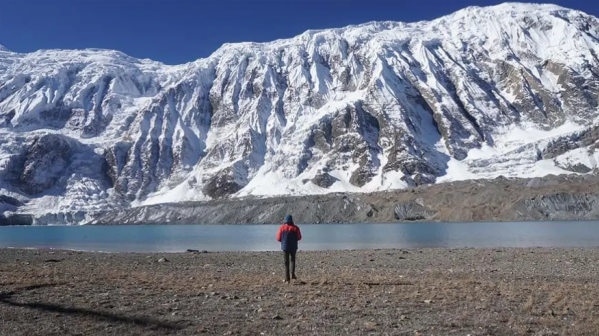
The Annapurna Circuit Trek stands as one of the world’s most spectacular trekking routes, weaving through the diverse landscapes of Nepal’s Annapurna region. This legendary journey takes adventurers on a transformative expedition around the Annapurna Massif, offering an unparalleled combination of natural beauty, cultural richness, and physical challenge that has captivated trekkers for decades.
The Route and Its Magnificence
Stretching approximately 160 to 230 kilometers depending on the chosen itinerary, the Annapurna Circuit traditionally begins in Besisahar or Bhulbhule and concludes in Nayapul, though variations exist. The trek circumnavigates the Annapurna mountain range, crossing the formidable Thorong La Pass at 5,416 meters, one of the highest trekking passes in the world.
What makes this circuit truly remarkable is its incredible diversity. Trekkers journey through subtropical forests adorned with rhododendrons and bamboo, traverse arid high-altitude deserts resembling the Tibetan plateau, and pass through terraced farmlands that cascade down mountainsides like emerald staircases. The landscape transforms dramatically with each passing day, offering visual variety that few treks can match.
Cultural Immersion and Villages
Beyond its natural splendor, the Annapurna Circuit provides an intimate window into Nepalese mountain culture. The route passes through numerous villages inhabited by diverse ethnic groups including Gurungs, Thakalis, and Manangis, each with distinct traditions, architecture, and ways of life.
In lower elevations, trekkers encounter traditional Hindu villages with terraced fields where farmers cultivate rice, millet, and vegetables using centuries-old techniques. As altitude increases, the cultural landscape shifts toward Buddhist communities, evidenced by prayer wheels, mani walls carved with sacred mantras, and colorful prayer flags fluttering in mountain winds.
The village of Manang serves as a crucial acclimatization stop and offers fascinating insights into high-altitude living. Here, ancient gompas perch on hillsides, and locals maintain traditions passed down through generations while also welcoming trekkers from around the globe. The hospitality of teahouse owners and villagers adds warmth to the physical challenge of the trek.
The Thorong La Pass Challenge
Crossing Thorong La Pass represents the trek’s physical and emotional pinnacle. Most trekkers begin their summit push in darkness, departing around 3 or 4 AM from Thorong Phedi or High Camp. The ascent demands mental fortitude as much as physical stamina, with altitude effects challenging even well-acclimatized hikers.
Reaching the pass at sunrise rewards trekkers with breathtaking panoramic views of snow-capped peaks stretching endlessly across the horizon. Prayer flags snap in the wind at the summit, and the sense of accomplishment is profound. The descent into Muktinath on the pass’s western side brings relief and the satisfaction of having conquered one of trekking’s great challenges.
Best Time to Trek
Timing significantly impacts the Annapurna Circuit Trek experience. The most popular seasons are autumn (September to November) and spring (March to May), each offering distinct advantages.
Autumn brings stable weather, crystal-clear skies, and excellent visibility of mountain peaks. Temperatures are comfortable at lower elevations, though high-altitude sections can be quite cold. The post-monsoon clarity makes this period ideal for photography and panoramic views.
Spring offers warmer temperatures and blooming rhododendron forests that paint hillsides in vibrant reds, pinks, and whites. While some afternoon clouds may develop, mornings typically provide clear mountain views. This season attracts fewer trekkers than autumn, offering a more tranquil experience.
Winter treks are possible but demanding, with extreme cold at high elevations and potential pass closures due to snow. Summer monsoon season (June to August) brings heavy rainfall, leeches at lower elevations, and obscured mountain views, though the landscape becomes lush and green.
Preparation and Fitness Requirements
While the Annapurna Circuit doesn’t require technical climbing skills, it demands good physical conditioning and mental preparation. Trekkers should engage in regular cardiovascular exercise for several months before departure, including hiking with a weighted backpack on inclined terrain when possible.
Altitude acclimatization is critical for success and safety. Most itineraries include rest days, particularly in Manang, allowing bodies to adjust to decreasing oxygen levels. Understanding altitude sickness symptoms and being willing to descend if serious symptoms develop can be lifesaving.
Essential gear includes quality trekking boots, layered clothing for varying temperatures, a warm sleeping bag, and sun protection. While teahouses provide basic amenities, trekkers should carry water purification methods, basic first aid supplies, and high-energy snacks.
Permits and Logistics
Trekking the Annapurna Circuit requires permits, including the Annapurna Conservation Area Permit and the TIMS card. These can be obtained in Kathmandu or Pokhara. Many trekkers hire guides and porters, supporting local employment while easing navigation and load-carrying burdens.
The teahouse system along the circuit has developed significantly, providing accommodation and meals that eliminate the need for camping. This infrastructure makes the trek accessible to those without extensive wilderness experience while supporting local economies.
The Changing Circuit
Road construction has altered portions of the traditional circuit, with vehicles now accessing villages that were once only reachable on foot. While this development benefits local communities, it has changed the trekking experience. Many trekkers now start from Dharapani or other points to minimize road walking, and some opt for alternative routes to maintain the wilderness feel.
Despite these changes, the Annapurna Circuit remains an extraordinary adventure. The essential elements that made it legendary—dramatic landscapes, cultural encounters, the challenge of Thorong La Pass, and the sense of journey through one of Earth’s most spectacular mountain regions—endure.
Conclusion
The Annapurna Circuit Trek represents more than a hiking route; it’s a pilgrimage through stunning natural beauty and living cultures, a test of personal limits, and an opportunity for transformation. Whether undertaken as a personal challenge, a cultural exploration, or simply an escape into wilderness, the circuit delivers experiences that resonate long after the final descent. For those willing to invest the time, preparation, and effort, the Annapurna Circuit offers rewards that few journeys on Earth can match.